

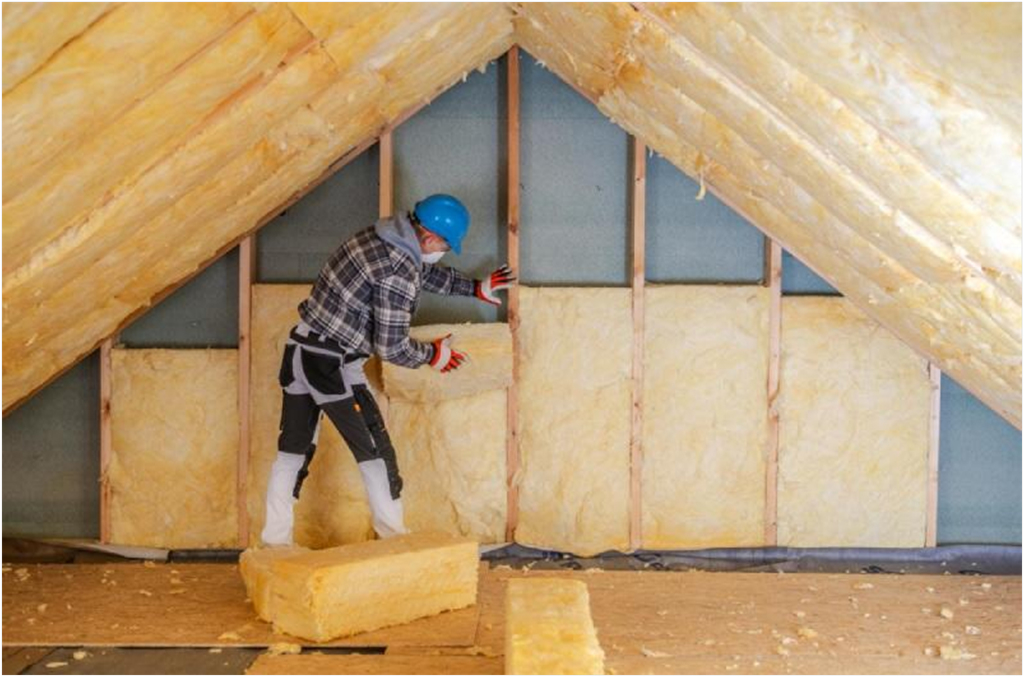

Attic insulation is the layer of material that slows heat transfer between your living space and the roof above, helping your heating and cooling system run less to keep the home comfortable. For Greater Toronto Area (GTA) homeowners, improving an under-insulated attic can reduce wasted energy, improve year-round comfort, and help lower energy bills.
KEY TAKEAWAYS
- Attic insulation slows heat transfer, so the home loses heat more slowly in winter and gains heat more slowly in summer.
- R-value measures resistance to heat flow; a higher R-value indicates greater resistance, but the appropriate target depends on the home, climate and local requirements.
- Uneven or shallow insulation, noticeable top-floor temperature swings and attic air leaks are signs worth assessing before adding more material.
- A good attic top-up starts with an inspection and air sealing, then adds compatible insulation without blocking ventilation or creating safety hazards.
- Energy savings vary with the starting insulation level, air leakage, heating and cooling equipment, energy prices, and how the home is used, so fixed savings promises should be treated cautiously.
How Heat Escapes Through an Under-Insulated Attic
Heat escapes through an under-insulated attic because heat naturally moves from warmer areas to cooler ones. In winter, the rooms below the attic are warmer than the roof space, so heat moves upward through the ceiling by conduction, convection (air movement), and radiation. Insulation slows that transfer by trapping air pockets and resisting heat flow.
Natural Resources Canada explains that insulation is rated by R-value, or RSI in metric units. The higher the value, the more the material resists heat transfer. That means an attic with insufficient insulation lets heat move through the ceiling faster than one with a suitable, continuous layer.
Insulation is only part of the picture. Air leaks around plumbing penetrations, wiring, attic hatches, light fixtures, and other openings can carry warm indoor air into the attic, even when insulation is present. Natural Resources Canada notes that attic air leaks can cause substantial heat loss and contribute to moisture problems. That is why air sealing should be considered before or alongside a top-up, not as an afterthought.
If your attic hatch is leaky, Me and My Van also offers attic hatch sealing and weather stripping to address a common source of leaks. For a more detailed technical explanation of attic air sealing and heat flow, see Natural Resources Canada: Keeping the Heat In – Roofs and Attics.
Signs Your Attic Needs More Insulation
Signs your attic needs more insulation include visible thin or uneven coverage, uncomfortable temperature differences on the top floor, and evidence of air leaks into the attic. None of these signs, by itself, proves the insulation level is inadequate, but together they are good reasons to have the attic assessed.
- Insulation is missing or only partially covers the ceiling joists in large areas, or there are obvious bare spots and compressed sections.
- Upper-floor rooms feel noticeably colder in winter or hotter in summer than the rooms below, even when the heating or cooling system is running normally.
- The attic hatch is drafty or poorly sealed, or you can see gaps around penetrations where indoor air may be escaping upward.
- Energy use has increased without any obvious change in household routines. Insulation is only one possible cause, but it is worth checking, along with air leakage and equipment performance.
- Moisture stains, frost, condensation, or musty odours appear in the attic. These are not simply “add more insulation” signals; moisture and ventilation issues should be investigated before covering anything up.
A useful check is to identify what material is already in place, how evenly it is installed, and the approximate R-value of the existing assembly. Because materials provide different R-values per inch, depth alone can be misleading. A professional assessment can also flag conditions that need immediate attention, such as blocked soffit ventilation, unsafe clearances around heat-producing fixtures, or evidence of roof leakage.
One important exception: if the existing insulation looks like loose, lightweight, pebble-like granules, it may be vermiculite. Health Canada advises that older vermiculite insulation may contain asbestos and should not be disturbed. Stay out of that area and have a qualified professional assess it before doing any insulation, air sealing, or storage work in the attic.
If the attic is the only item on your seasonal list, Me and My Van’s home maintenance services can help you plan related upkeep rather than treating every small issue as a separate project.
Types of Insulation Used in GTA Homes
Common types of insulation used in GTA homes include loose-fill cellulose, loose-fill fibreglass or mineral fibre, batt insulation, and spray foam in certain assemblies. The best choice for a top-up depends on what is already in the attic, how accessible the space is, the target R-value, ventilation and moisture conditions, and any safety constraints.
| Material Type | How It Is Used | What To Know |
|---|---|---|
| Loose-Fill Cellulose | Blown into attic spaces and useful for topping up around irregular framing or obstructions. | Good coverage in uneven spaces; follow manufacturer density and settled-thickness guidance. |
| Loose-Fill Fibreglass Or Mineral Fibre | Blown or poured material that can add R-value over existing attic insulation. | Common top-up approach; coverage needs to remain even, and ventilation paths must stay open. |
| Batt Or Blanket Insulation | Pre-cut or roll insulation fitted between framing where the attic layout allows it. | Works best when fitted without gaps, compression or voids around framing and penetrations. |
| Spray Foam | Foam applied in selected locations to air seal and insulate at the same time. | Requires careful design and a certified installer; it is not the default answer for every attic. |
Natural Resources Canada describes loose-fill insulation as well suited to attic top-ups and notes that accessible attics commonly use batt, blanket or loose-fill products. Spray foam can be useful for air sealing and special roof assemblies, but it requires additional design, safety and installation considerations. Rather than choosing a material based on a product label alone, start with the existing attic and the problem you are trying to solve.
Natural Resources Canada’s insulation materials guide provides R-value ranges and installation considerations for common insulation types.
What a Professional Top-Up Visit Involves
A professional top-up visit should involve more than simply blowing new material over whatever is already there. The visit should confirm the existing condition, address obvious air-leak and safety issues, protect ventilation, add compatible insulation to the agreed target, and leave the attic evenly covered and the work area tidy.
- Inspect and Measure. The technician checks attic access, existing insulation type and depth, visible moisture or roof issues, ventilation paths, and any areas where heat-producing fixtures or chimneys require clearance.
- Confirm Scope and Price. You should understand what will be added, what preparation is included, and how the work is priced before installation starts. This reflects Me and My Van’s honest, upfront pricing standard.
- Air Seal Where Appropriate. Common ceiling penetrations and attic-hatch gaps may need sealing so warm or cooled air does not bypass the insulation. Insulation does not replace a proper air barrier.
- Protect Ventilation and Safety Clearances. Soffit vents, baffles, and required clearances around combustion vents, chimneys, recessed light fixtures not approved for insulation contact and any old knob-and-tube wiring must remain protected. If vermiculite insulation is present, work should stop until it has been assessed. Covering a safety hazard with insulation can make the attic worse, not better.
- Add and Level the Insulation. Install compatible insulation to the agreed coverage and target R-value, paying attention to eaves, framing, and uneven areas where thin spots can reduce overall performance.
- Review the Finished Work. The final check should confirm even coverage, clear ventilation paths, and a clean access area. If other attic issues were found, you should know what needs follow-up and whether another trade is required.
Me and My Van’s attic insulation service is designed for homeowners who need insulation installed or topped up without turning the job into a large renovation. If the assessment shows that the bigger issue is a leaky hatch or general seasonal upkeep, the same home can also benefit from related maintenance work during a planned visit.
See the dedicated service page for Me and My Van’s attic insulation service.
Expected Savings After Insulation Is Improved
Expected savings after improving insulation depend on how under-insulated the attic was to begin with and how much uncontrolled air leakage is corrected. Better insulation reduces heat transfer, which can reduce the amount of energy your furnace, boiler, heat pump or air conditioner needs to maintain the same indoor temperature. That is the mechanism behind lower bills, not a guaranteed percentage.
The greatest gains typically come when an attic has very low or uneven insulation, significant air leakage, or both. If the attic already has a strong thermal barrier and the home loses most of its energy through other areas, adding more insulation may yield a smaller return. Natural Resources Canada recommends considering the existing insulation level, climate zone, local requirements, and practical economics before deciding how much to add.
Your actual dollar savings will also vary with energy prices, thermostat settings, household size, heating and cooling equipment, weather from one year to the next, and the amount of attic area upgraded. For that reason, a reliable quote should focus on the current condition and the work required rather than promising a fixed annual saving without an assessment.
Comfort is another useful measure. After a well-planned attic upgrade, homeowners may notice fewer hot or cold spots on the top floor and less strain on heating and cooling equipment during temperature extremes. To assess the financial outcome, compare energy use over similar weather periods rather than simply comparing one bill to the previous month.
Frequently Asked Questions
How Do I Know If My Attic Has Enough Insulation?
Start by checking the insulation type, coverage, and approximate R-value, but the right target depends on the home and local requirements. If the material is uneven, compressed, missing in sections, or clearly below the level needed for your climate, a top-up may help. A professional assessment can also identify air leaks, moisture, or ventilation issues that should be fixed first.
Does Attic Insulation Help in Summer as Well as Winter?
Yes. Attic insulation works both ways because it resists heat transfer rather than simply “holding heat in.” In winter, it slows heat loss from the living space into the colder attic. In summer, it slows heat from a hot roof and attic from moving toward the rooms below, which can reduce cooling demand and improve top-floor comfort.
How Long Does an Attic Insulation Top-Up Take?
The time required varies with attic size, access, existing insulation, air-sealing needs, and any remedial work identified during the inspection. A straightforward top-up is usually planned as one service visit, but there is no fixed duration that applies to every home. Ask for a time estimate after the attic condition and scope have been reviewed.
Is Attic Insulation a DIY-Friendly Project?
Some attic insulation products can be installed by experienced DIYers, but attic work is not inherently simple or low-risk. You need to manage air sealing, ventilation, electrical and combustion clearances, personal protective equipment, and safe movement around ceiling joists. You should also never disturb existing vermiculite insulation, which may contain asbestos. Natural Resources Canada specifically recommends trained help for certain materials and situations, including some spray-foam work.
Conclusion
Attic insulation is a practical energy-efficiency upgrade when the existing attic is thin, uneven or leaking conditioned air. The best results come from treating the attic as a system: inspect first, seal air leaks, protect ventilation and safety clearances, then add the right amount of compatible insulation. Me and My Van has served Greater Toronto Area homeowners since 2007 with the same small-job mindset we bring to every visit: clear scope, careful work and No Job Too Small. If your attic needs a top-up, book your free quote. No job too small.